
What we do
Planting seeds
for future thinking
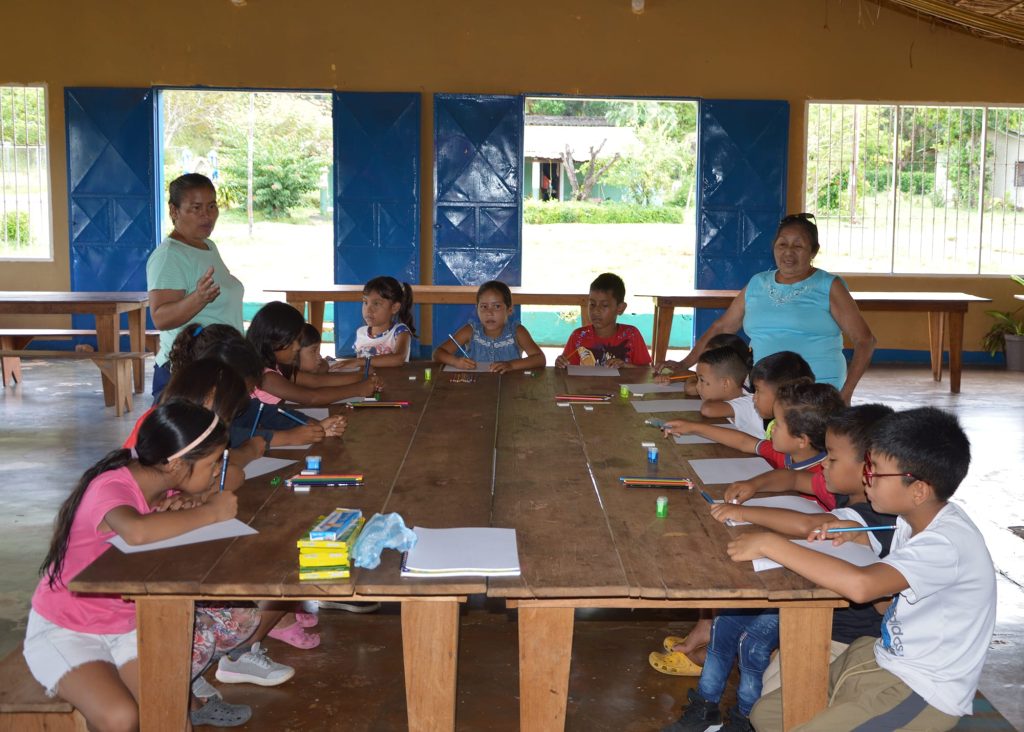
OFELIA’s approach is grounded in a holistic vision of community development. Beyond repositories of books and toys, our libraries are vibrant hubs designed to cultivate leaders, empower children, youth, and women, uplifting the entire community.

Our strategy is designed to support not only literacy but the holistic development of rural communities, grounded in inclusion, culture, and sustainability.
Here’s how we bring that vision to life:
1.
Listen & Co-Create
We begin with the community—assessing needs, honoring aspirations, and building every step together to ensure cultural relevance and local ownership.
2.
Design for Learning
Our libraries are sustainable, inclusive, and filled with resources that spark curiosity—books, toys, and programs for all ages and learning styles.
3.
Empower Through Education
From digital skills to youth leadership and teacher training, we offer tools and opportunities that foster lifelong learning and local impact.
4.
Sustain & Scale
We grow through strong partnerships, community-led models, and continuous evaluation—ensuring each library inspires lasting change and global replication.
Our Guiding Principles
Community
First
We center the voices, needs, and leadership of local communities in every step of the journey.
Inclusive
& Culturally Rooted
We create welcoming spaces that honor local cultures and ensure access for all.
Transparent
& Evolving
We stay accountable, adapt with purpose, and grow through community feedback.
Learning
for Life
We promote lifelong learning through inclusive, creative, and skill-building programs.
Powered by
Partnerships
We build strong collaborations across sectors to amplify impact, share knowledge, and sustain our mission.
Sustainable
by Design
We commit to eco-friendly practices and long-term impact from the ground up.
Our Projects
From remote villages to urban crossroads, our projects transform libraries into engines of opportunity. Built with and for local residents, they blend reading, digital inclusion, arts, and leadership programs—centering children, youth, and women. Dive into each story to see how culture is preserved, skills grow, and communities lead.
Venezuela
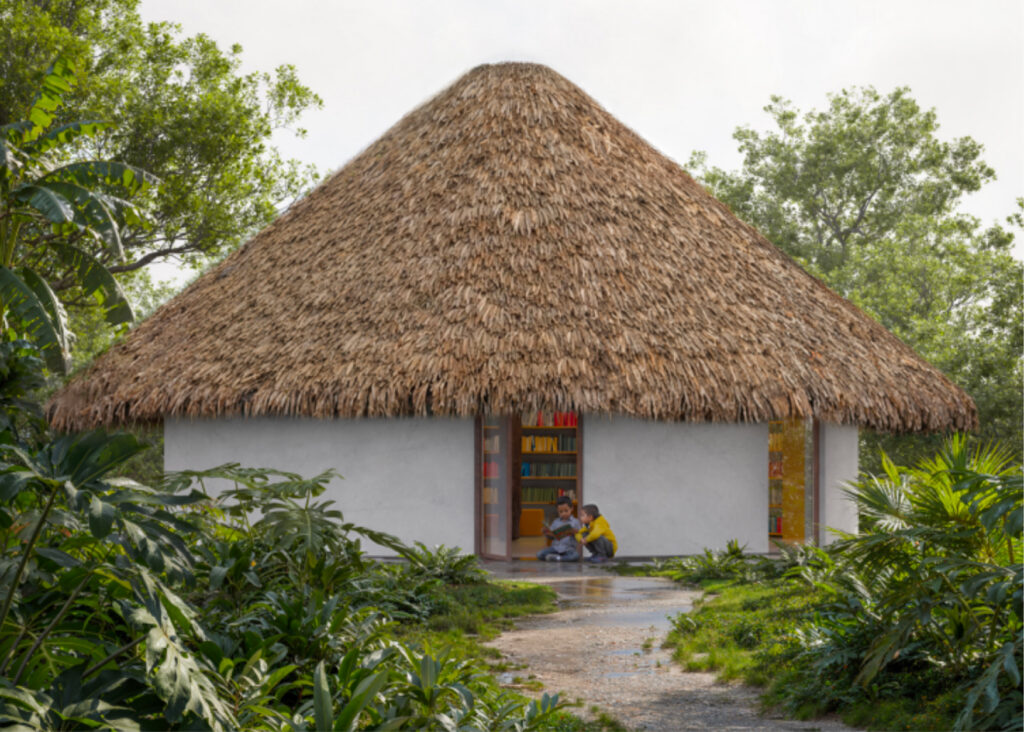
Canaima Community Library & Cultural Center
With the support of Ville de Genève, we’re building Canaima’s first library, playroom, and cultural hub with the Pemón Kamarakoto community—pairing books with digital literacy and materials in the local language. Educators are trained, a site is secured, and 75% of startup costs are funded.
Venezuela
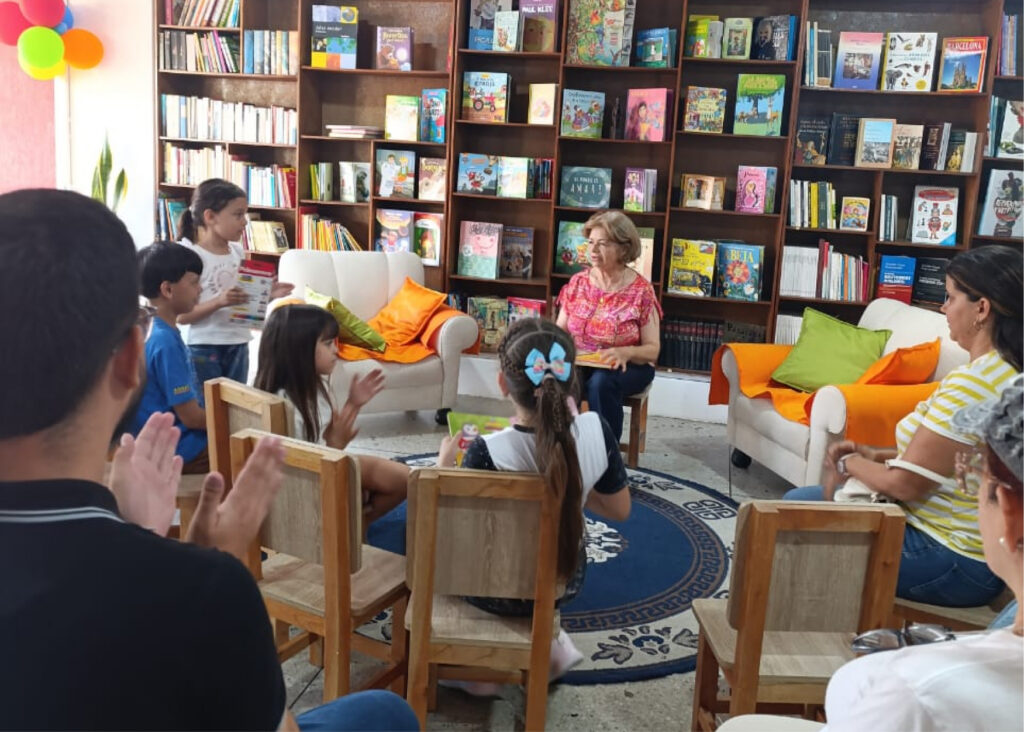
San Juan de Colón Library & Cultural Hub
Born from a children’s orchestra, this library now supports 130+ kids, including neurodiverse learners, with music, literacy, arts, life skills, and women’s leadership. It’s a safe, creative shield against exclusion and it’s outgrowing its walls. Next up: expanding space, books, tech, and instruments.
Ecuador
Empowering Zumbahua
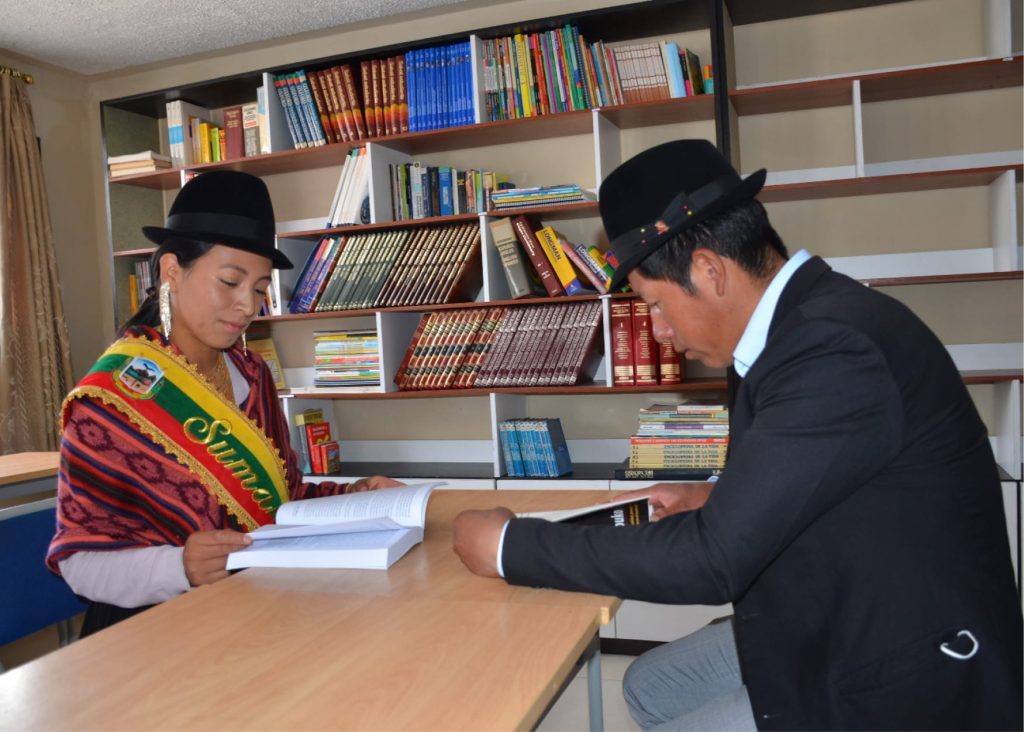
In the Andes, we’re transforming the local library into an e-learning and entrepreneurship hub. Twenty-two youth leaders—especially young women—train in communication, leadership, digital skills, and business basics, with six months of mentorship. The ripple effect reaches over 12,000 residents.
Pilot Laboratory for Languages, Cultures and Intercultural Dialogue — Grand-Saconnex, Geneva - Switzerland
Maison OFELIA — House of Languages
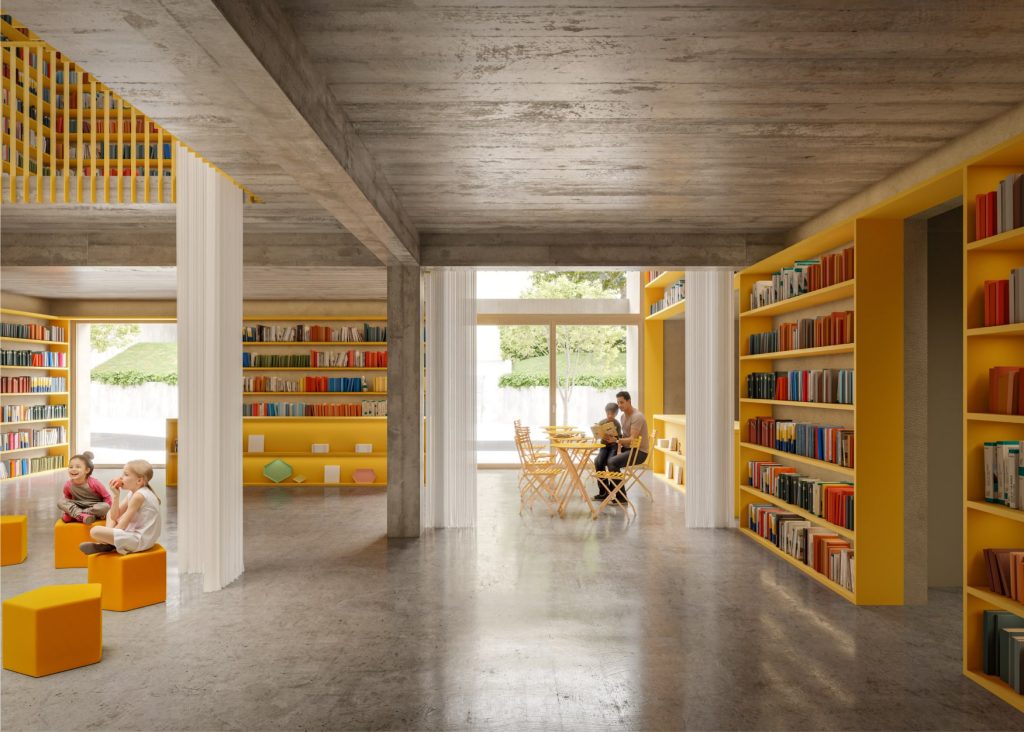
A heritage farmhouse becomes a multilingual, intercultural, intergenerational library—complete with reading rooms, digital labs, cultural programs, and a shared garden. Designed with residents to bridge access and belonging, La Maison OFELIA is set to open in 2027.
Research Projects
Community Libraries as Informal Learning Environments:
A Research Framework for Studying Literacy, Participation, and Youth Development
By Venus Medina and Brenda Bellorin
Read more
OFELIA advances community development through libraries conceived as inclusive spaces for learning, participation, and social transformation. Primarily serving children, adolescents, and women in rural and Indigenous communities across South America, these libraries function not merely as repositories of books but as living laboratories where innovative educational methodologies are developed, implemented, and assessed. Our work focuses on orality, literacy, visual, digital, and media literacies, as well as innovative library practices and reading promotion. Grounded in community-led management models, OFELIA collaborates closely with local communities to identify needs and co-design culturally relevant and sustainable initiatives that strengthen local capacities and opportunities.
Alongside its educational and community-based interventions, OFELIA is developing a research agenda that examines the role of informal learning environments in fostering creativity, critical thinking, cultural preservation, and civic engagement. Through evidence-informed approaches—including participant observation, analysis of reading responses, interviews, and the study of children’s and adolescents’ productions—we investigate how diverse populations engage with texts, media, and cultural practices beyond formal educational settings. This work seeks to better understand learning variability, identify factors that support meaningful learning trajectories, and generate evidence on the educational and social impact of community libraries.
Currently, OFELIA is consolidating a methodological framework for the systematic study of its libraries as sites for learning, cultural transmission, and community empowerment. In collaboration with E-PREVIO, an Equatorian research group specializing in gender, health, and violence prevention, we are developing tools to examine how participation in library programs influences children’s and adolescents’ relationships with school, family, and community life. Particular attention is given to how gendered social and cultural contexts shape access to learning opportunities, engagement with library resources, and broader processes of personal and community development. Through this partnership, OFELIA seeks to contribute to educational research and to the design of evidence-based interventions that promote equity, inclusion, and social well-being.
Libraries as Third Places in Times of Crisis:
Community Resilience, Social Cohesion, and Everyday Life in Contexts of Disruption
By Gabriele Gambino, Bocconi University
Read more
This research examines the role of community libraries as “third places” in contexts affected by prolonged social, economic, and institutional disruption. Drawing on Ray Oldenburg’s theory of third places and on OFELIA’s experience in rural and vulnerable communities in Venezuela, the research explores how libraries can function as spaces of belonging, learning, cultural participation, and community resilience when traditional public institutions are under strain.
By examining the relationship between libraries, communities, and everyday life in contexts of crisis, the research contributes to ongoing debates in Library and Information Science, community development, and resilience studies.
Community Toy Libraries in Contexts of Vulnerability:
A Literature Review on Play, Childhood, and Community - Based Interventions in Venezuela
By Sofia D'Orsogna, Sorbonne University
Read more
This research explores the role of community toy libraries as spaces that support children’s development, learning, and well-being in contexts of social vulnerability. Through a review of academic literature from Venezuela and Latin America, the study examines how play contributes to cognitive, emotional, and social development, and how community-based learning environments can strengthen opportunities for children and families.
The project seeks to identify key theoretical and practical lessons from existing research and to develop a context-sensitive framework that can inform the design of toy libraries and play-based interventions in Venezuela.
By bringing together perspectives from childhood studies, education, psychology, and community development, the research aims to contribute to a deeper understanding of how play can foster inclusion, participation, and resilience in underserved communities.
OFELIA gratefully acknowledges Asociación Tepui for the valuable insights and specific contributions it provided to this research.

Your impact starts here
Every contribution lights a path. With your support, OFELIA can reach more learners, spark more curiosity, and build brighter futures. Big or small, your gift helps us turn possibility into progress.